Đăng Nhập
Đăng nhập iSach
Đăng nhập = Google
Quên Mật Khẩu
Đăng ký
Trang chủ
Đăng nhập
Đăng nhập iSach
Đăng nhập = Google
Đăng ký
Tùy chỉnh (beta)
Nhật kỳ....
Ai đang online
Ai đang download gì?
Top đọc nhiều
Top download nhiều
Top mới cập nhật
Top truyện chưa có ảnh bìa
Truyện chưa đầy đủ
Danh sách phú ông
Danh sách phú ông trẻ
Trợ giúp
Download ebook mẫu
Đăng ký / Đăng nhập
Các vấn đề về gạo
Hướng dẫn download ebook
Hướng dẫn tải ebook về iPhone
Hướng dẫn tải ebook về Kindle
Hướng dẫn upload ảnh bìa
Quy định ảnh bìa chuẩn
Hướng dẫn sửa nội dung sai
Quy định quyền đọc & download
Cách sử dụng QR Code
Truyện
Truyện Ngẫu Nhiên
Giới Thiệu Truyện Tiêu Biểu
Truyện Đọc Nhiều
Danh Mục Truyện
Kiếm Hiệp
Tiên Hiệp
Tuổi Học Trò
Cổ Tích
Truyện Ngắn
Truyện Cười
Kinh Dị
Tiểu Thuyết
Ngôn Tình
Trinh Thám
Trung Hoa
Nghệ Thuật Sống
Phong Tục Việt Nam
Việc Làm
Kỹ Năng Sống
Khoa Học
Tùy Bút
English Stories
Danh Mục Tác Giả
Kim Dung
Nguyễn Nhật Ánh
Hoàng Thu Dung
Nguyễn Ngọc Tư
Quỳnh Dao
Hồ Biểu Chánh
Cổ Long
Ngọa Long Sinh
Ngã Cật Tây Hồng Thị
Aziz Nesin
Trần Thanh Vân
Sidney Sheldon
Arthur Conan Doyle
Truyện Tranh
Sách Nói
Danh Mục Sách Nói
Đọc truyện đêm khuya
Tiểu Thuyết
Lịch Sử
Tuổi Học Trò
Đắc Nhân Tâm
Giáo Dục
Hồi Ký
Kiếm Hiệp
Lịch Sử
Tùy Bút
Tập Truyện Ngắn
Giáo Dục
Trung Nghị
Thu Hiền
Bá Trung
Mạnh Linh
Bạch Lý
Hướng Dương
Dương Liễu
Ngô Hồng
Ngọc Hân
Phương Minh
Shep O’Neal
Thơ
Thơ Ngẫu Nhiên
Danh Mục Thơ
Danh Mục Tác Giả
Nguyễn Bính
Hồ Xuân Hương
TTKH
Trần Đăng Khoa
Phùng Quán
Xuân Diệu
Lưu Trọng Lư
Tố Hữu
Xuân Quỳnh
Nguyễn Khoa Điềm
Vũ Hoàng Chương
Hàn Mặc Tử
Huy Cận
Bùi Giáng
Hồ Dzếnh
Trần Quốc Hoàn
Bùi Chí Vinh
Lưu Quang Vũ
Bảo Cường
Nguyên Sa
Tế Hanh
Hữu Thỉnh
Thế Lữ
Hoàng Cầm
Đỗ Trung Quân
Chế Lan Viên
Lời Nhạc
Trịnh Công Sơn
Quốc Bảo
Phạm Duy
Anh Bằng
Võ Tá Hân
Hoàng Trọng
Trầm Tử Thiêng
Lương Bằng Quang
Song Ngọc
Hoàng Thi Thơ
Trần Thiện Thanh
Thái Thịnh
Phương Uyên
Danh Mục Ca Sĩ
Khánh Ly
Cẩm Ly
Hương Lan
Như Quỳnh
Đan Trường
Lam Trường
Đàm Vĩnh Hưng
Minh Tuyết
Tuấn Ngọc
Trường Vũ
Quang Dũng
Mỹ Tâm
Bảo Yến
Nirvana
Michael Learns to Rock
Michael Jackson
M2M
Madonna
Shakira
Spice Girls
The Beatles
Elvis Presley
Elton John
Led Zeppelin
Pink Floyd
Queen
Sưu Tầm
Toán Học
Tiếng Anh
Tin Học
Âm Nhạc
Lịch Sử
Non-Fiction
Download ebook?
Chat
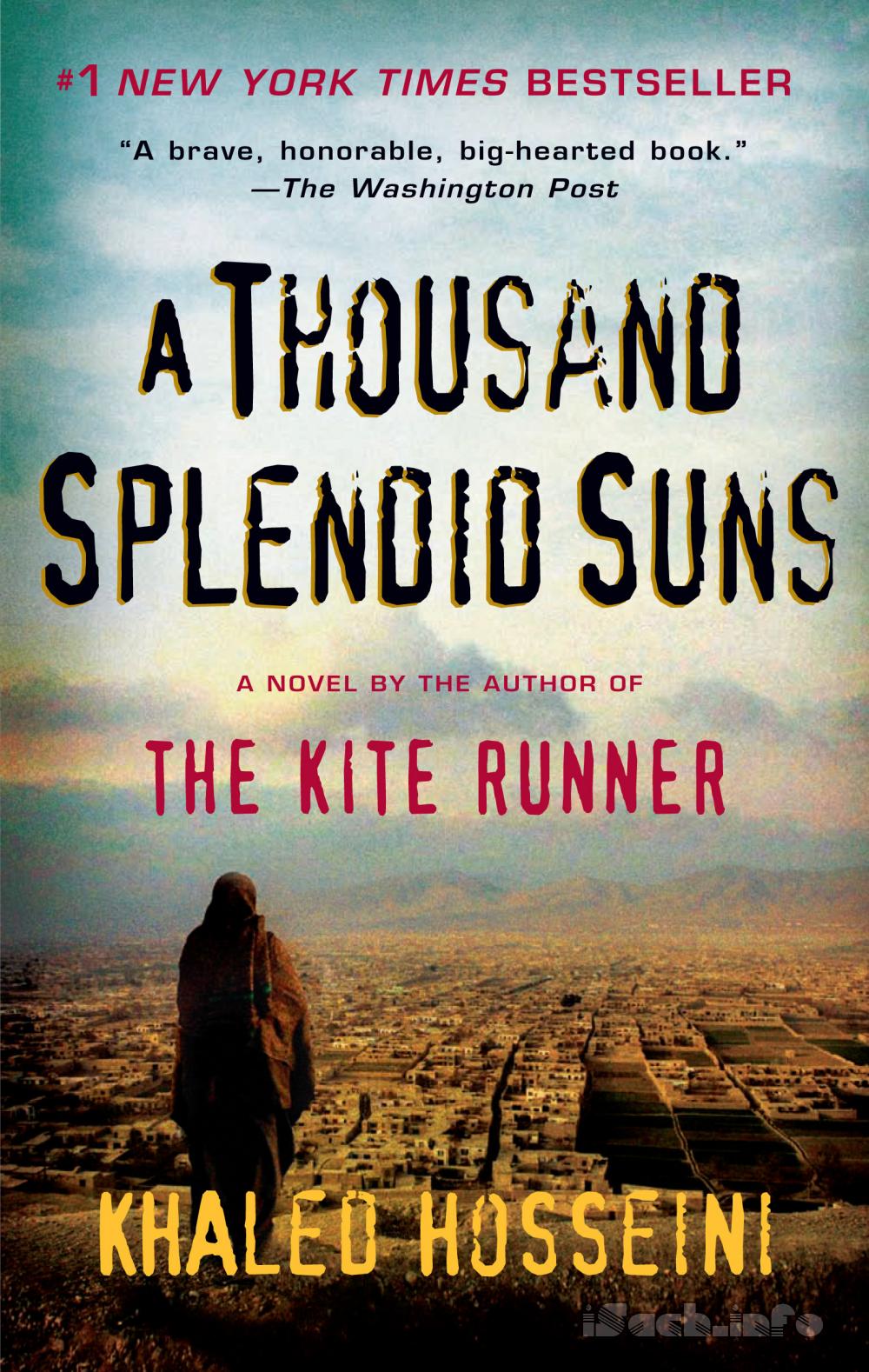
A Thousand Splendid
ePub
A4
A5
A6
Chương trước
Mục lục
Chương sau
Chapter 24
I
t's the whistling," Laila said to Tariq, "the damn whistling, I hate more than anything."
ITariq nodded knowingly.
It wasn't so much the whistling itself, Laila thought later, but the seconds between the start of it and impact. The brief and interminable time of feeling suspended. The not knowing. The waiting. Like a defendant about to hear the verdict.
Often it happened at dinner, when she and Babi were at the table. When it started, their heads snapped up. They listened to the whistling, forks in midair, unchewed food in their mouths. Laila saw the reflection of their half-lit faces in the pitch-black window, their shadows unmoving on the wall. The whistling. Then the blast, blissfully elsewhere, followed by an expulsion of breath and the knowledge that they had been spared for now while somewhere else, amid cries and choking clouds of smoke, there was a scrambling, a bare-handed frenzy of digging, of pulling from the debris, what remained of a sister, a brother, a grandchild.
But the flip side of being spared was the agony of wondering who hadn't. After every rocket blast, Laila raced to the street, stammering a prayer, certain that, this time, surely this time, it was Tariq they would find buried beneath the rubble and smoke.
At night, Laila lay in bed and watched the sudden white flashes reflected in her window. She listened to the rattling of automatic gunfire and counted the rockets whining overhead as the house shook and flakes of plaster rained down on her from the ceiling. Some nights, when the light of rocket fire was so bright a person could read a book by it, sleep never came. And, if it did, Laila's dreams were suffused with fire and detached limbs and the moaning of the wounded.
Morning brought no relief. The muezzin's call for namaz rang out, and the Mujahideen set down their guns, faced west, and prayed. Then the rugs were folded, the guns loaded, and the mountains fired on Kabul, and Kabul fired back at the mountains, as Laila and the rest of the city watched as helpless as old Santiago watching the sharks take bites out of his prize fish.
EVERYWHERE LAILA WENT, she saw Massoud's men. She saw them roam the streets and every few hundred yards stop cars for questioning. They sat and smoked atop tanks, dressed in their fatigues and ubiquitous pakols. They peeked at passersby from behind stacked sandbags at intersections.
Not that Laila went out much anymore. And, when she did, she was always accompanied by Tariq, who seemed to relish this chivalric duty.
"I bought a gun," he said one day. They were sitting outside, on the ground beneath the pear tree in Laila's yard. He showed her. He said it was a semiautomatic, a Beretta. To Laila, it merely looked black and deadly.
"I don't like it," she said. "Guns scare me."
Tariq turned the magazine over in his hand.
"They found three bodies in a house in Karteh-Seh last week," he said. "Did you hear? Sisters. All three raped. Their throats slashed. Someone had bitten the rings off their fingers. You could tell, they had teeth marks - "
"I don't want to hear this."
"I don't mean to upset you," Tariq said. "But I just... I feel better carrying this."
He was her lifeline to the streets now. He heard the word of mouth and passed it on to her. Tariq was the one who told her, for instance, that militiamen stationed in the mountains sharpened their marksmanship - and settled wagers over said marksmanship - by shooting civilians down below, men, women, children, chosen at random. He told her that they fired rockets at cars but, for some reason, left taxis alone - which explained to Laila the recent rash of people spraying their cars yellow.
Tariq explained to her the treacherous, shifting boundaries within Kabul. Laila learned from him, for instance, that this road, up to the second acacia tree on the left, belonged to one warlord; that the next four blocks, ending with the bakery shop next to the demolished pharmacy, was another warlord's sector; and that if she crossed that street and walked half a mile west, she would find herself in the territory of yet another warlord and, therefore, fair game for sniper fire. And this was what Mammy's heroes were called now. Warlords. Laila heard them called tofangdar too. Riflemen. Others still called them Mujahideen, but, when they did, they made a face - a sneering, distasteful face - the word reeking of deep aversion and deep scorn. Like an insult.
Tariq snapped the magazine back into his handgun.
"Do you have it in you?" Laila said.
"To what?"
"To use this thing. To kill with it."
Tariq tucked the gun into the waist of his denims. Then he said a thing both lovely and terrible. "For you," he said.
"I'd kill with it for you, Laila."
He slid closer to her and their hands brushed, once, then again. When Tariq's fingers tentatively began to slip into hers, Laila let them. And when suddenly he leaned over and pressed his lips to hers, she let him again.
At that moment, all of Mammy's talk of reputations and mynah birds sounded immaterial to Laila. Absurd, even. In the midst of all this killing and looting, all this ugliness, it was a harmless thing to sit here beneath a tree and kiss Tariq. A small thing. An easily forgivable indulgence. So she let him kiss her, and when he pulled back she leaned in and kissed him, heart pounding in her throat, her face tingling, a fire burning in the pit of her belly.
IN JUNE OF THAT YEAR, 1992, there was heavy fighting in West Kabul between the Pashtun forces of the warlord Sayyaf and the Hazaras of the Wahdat faction. The shelling knocked down power lines, pulverized entire blocks of shops and homes. Laila heard that Pashtun militiamen were attacking Hazara households, breaking in and shooting entire families, execution style, and that Hazaras were retaliating by abducting Pashtun civilians, raping Pashtun girls, shelling Pashtun neighborhoods, and killing indiscriminately. Every day, bodies were found tied to trees, sometimes burned beyond recognition. Often, they'd been shot in the head, had had their eyes gouged out, their tongues cut out.
Babi tried again to convince Mammy to leave Kabul. "They'll work it out," Mammy said. "This fighting is temporary. They'll sit down and figure something out."
"Fariba, all these people know is war," said Babi. "They learned to walk with a milk bottle in one hand and a gun in the other."
"Who are you to say?" Mammy shot back. "Did you fight jihad? Did you abandon everything you had and risk your life? If not for the Mujahideen, we'd still be the Soviets' servants, remember. And now you'd have us betray them!"
"We aren't the ones doing the betraying, Fariba."
"You go, then. Take your daughter and run away. Send me a postcard. But peace is coming, and I, for one, am going to wait for it."
The streets became so unsafe that Babi did an unthinkable thing: He had Laila drop out of school.
He took over the teaching duties himself. Laila went into his study every day after sundown, and, as Hekmatyar launched his rockets at Massoud from the southern outskirts of the city, Babi and she discussed the ghazals of Hafez and the works of the beloved Afghan poet Ustad Khalilullah Khalili. Babi taught her to derive the quadratic equation, showed her how to factor polynomials and plot parametric curves. When he was teaching, Babi was transformed. In his element, amid his books, he looked taller to Laila. His voice seemed to rise from a calmer, deeper place, and he didn't blink nearly as much. Laila pictured him as he must have been once, erasing his blackboard with graceful swipes, looking over a student's shoulder, fatherly and attentive.
But it wasn't easy to pay attention. Laila kept getting distracted.
"What is the area of a pyramid?" Babi would ask, and all Laila could think of was the fullness of Tariq's lips, the heat of his breath on her mouth, her own reflection in his hazel eyes. She'd kissed him twice more since the time beneath the tree, longer, more passionately, and, she thought, less clumsily. Both times, she'd met him secretly in the dim alley where he'd smoked a cigarette the day of Mammy's lunch party. The second time, she'd let him touch her breast.
"Laila?"
"Yes, Babi."
"Pyramid. Area. Where are you?"
"Sorry, Babi. I was, uh... Let's see. Pyramid. Pyramid. One-third the area of the base times the height."
Babi nodded uncertainly, his gaze lingering on her, and Laila thought of Tariq's hands, squeezing her breast, sliding down the small of her back, as the two of them kissed and kissed.
ONE DAY THAT same month of June, Giti was walking home from school with two classmates. Only three blocks from Giti's house, a stray rocket struck the girls. Later that terrible day, Laila learned that Nila, Giti's mother, had run up and down the street where Giti was killed, collecting pieces of her daughter's flesh in an apron, screeching hysterically. Giti's decomposing right foot, still in its nylon sock and purple sneaker, would be found on a rooftop two weeks later.
At Giti's fatiha, the day after the killings, Laila sat stunned in a roomful of weeping women. This was the first time that someone whom Laila had known, been close to, loved, had died. She couldn't get around the unfathomable reality that Giti wasn't alive anymore. Giti, with whom Laila had exchanged secret notes in class, whose fingernails she had polished, whose chin hair she had plucked with tweezers. Giti, who was going to marry Sabir the goalkeeper. Giti was dead. Dead. Blown to pieces. At last, Laila began to weep for her friend. And all the tears that she hadn't been able to shed at her brothers' funeral came pouring down.
Chương trước
Mục lục
Chương sau
A Thousand Splendid
Khaled Hosseini
A Thousand Splendid - Khaled Hosseini
https://isach.info/story.php?story=a_thousand_splendid__khaled_hosseini