Đăng Nhập
Đăng nhập iSach
Đăng nhập = Google
Quên Mật Khẩu
Đăng ký
Trang chủ
Đăng nhập
Đăng nhập iSach
Đăng nhập = Google
Đăng ký
Tùy chỉnh (beta)
Nhật kỳ....
Ai đang online
Ai đang download gì?
Top đọc nhiều
Top download nhiều
Top mới cập nhật
Top truyện chưa có ảnh bìa
Truyện chưa đầy đủ
Danh sách phú ông
Danh sách phú ông trẻ
Trợ giúp
Download ebook mẫu
Đăng ký / Đăng nhập
Các vấn đề về gạo
Hướng dẫn download ebook
Hướng dẫn tải ebook về iPhone
Hướng dẫn tải ebook về Kindle
Hướng dẫn upload ảnh bìa
Quy định ảnh bìa chuẩn
Hướng dẫn sửa nội dung sai
Quy định quyền đọc & download
Cách sử dụng QR Code
Truyện
Truyện Ngẫu Nhiên
Giới Thiệu Truyện Tiêu Biểu
Truyện Đọc Nhiều
Danh Mục Truyện
Kiếm Hiệp
Tiên Hiệp
Tuổi Học Trò
Cổ Tích
Truyện Ngắn
Truyện Cười
Kinh Dị
Tiểu Thuyết
Ngôn Tình
Trinh Thám
Trung Hoa
Nghệ Thuật Sống
Phong Tục Việt Nam
Việc Làm
Kỹ Năng Sống
Khoa Học
Tùy Bút
English Stories
Danh Mục Tác Giả
Kim Dung
Nguyễn Nhật Ánh
Hoàng Thu Dung
Nguyễn Ngọc Tư
Quỳnh Dao
Hồ Biểu Chánh
Cổ Long
Ngọa Long Sinh
Ngã Cật Tây Hồng Thị
Aziz Nesin
Trần Thanh Vân
Sidney Sheldon
Arthur Conan Doyle
Truyện Tranh
Sách Nói
Danh Mục Sách Nói
Đọc truyện đêm khuya
Tiểu Thuyết
Lịch Sử
Tuổi Học Trò
Đắc Nhân Tâm
Giáo Dục
Hồi Ký
Kiếm Hiệp
Lịch Sử
Tùy Bút
Tập Truyện Ngắn
Giáo Dục
Trung Nghị
Thu Hiền
Bá Trung
Mạnh Linh
Bạch Lý
Hướng Dương
Dương Liễu
Ngô Hồng
Ngọc Hân
Phương Minh
Shep O’Neal
Thơ
Thơ Ngẫu Nhiên
Danh Mục Thơ
Danh Mục Tác Giả
Nguyễn Bính
Hồ Xuân Hương
TTKH
Trần Đăng Khoa
Phùng Quán
Xuân Diệu
Lưu Trọng Lư
Tố Hữu
Xuân Quỳnh
Nguyễn Khoa Điềm
Vũ Hoàng Chương
Hàn Mặc Tử
Huy Cận
Bùi Giáng
Hồ Dzếnh
Trần Quốc Hoàn
Bùi Chí Vinh
Lưu Quang Vũ
Bảo Cường
Nguyên Sa
Tế Hanh
Hữu Thỉnh
Thế Lữ
Hoàng Cầm
Đỗ Trung Quân
Chế Lan Viên
Lời Nhạc
Trịnh Công Sơn
Quốc Bảo
Phạm Duy
Anh Bằng
Võ Tá Hân
Hoàng Trọng
Trầm Tử Thiêng
Lương Bằng Quang
Song Ngọc
Hoàng Thi Thơ
Trần Thiện Thanh
Thái Thịnh
Phương Uyên
Danh Mục Ca Sĩ
Khánh Ly
Cẩm Ly
Hương Lan
Như Quỳnh
Đan Trường
Lam Trường
Đàm Vĩnh Hưng
Minh Tuyết
Tuấn Ngọc
Trường Vũ
Quang Dũng
Mỹ Tâm
Bảo Yến
Nirvana
Michael Learns to Rock
Michael Jackson
M2M
Madonna
Shakira
Spice Girls
The Beatles
Elvis Presley
Elton John
Led Zeppelin
Pink Floyd
Queen
Sưu Tầm
Toán Học
Tiếng Anh
Tin Học
Âm Nhạc
Lịch Sử
Non-Fiction
Download ebook?
Chat
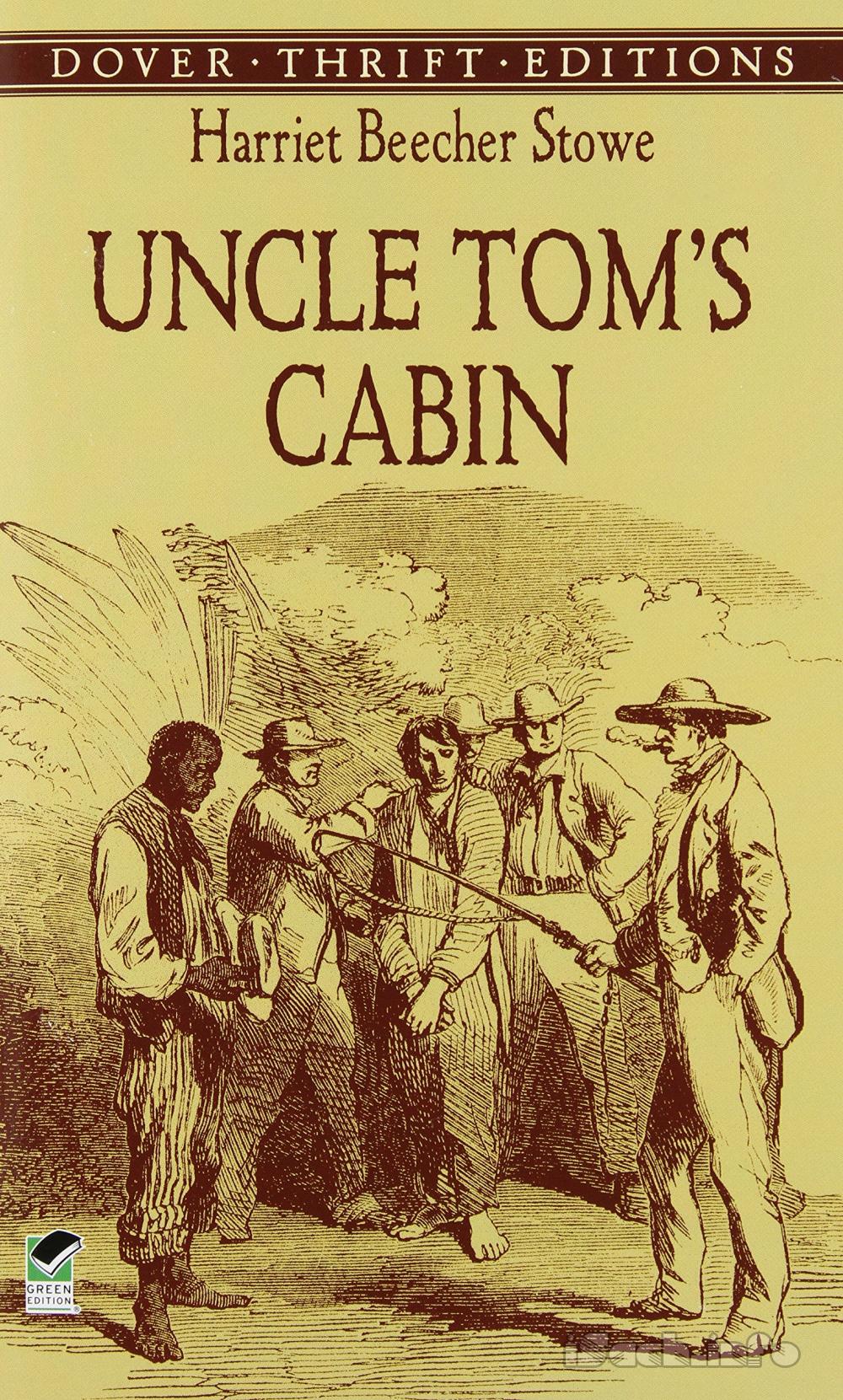
Uncle Tom's Cabin
ePub
A4
A5
A6
Chương trước
Mục lục
Chương sau
Chapter II The Mother
E
liza had been brought up by her mistress, from girlhood, as a petted and indulged favorite.
The traveller in the south must often have remarked that peculiar air of refinement, that softness of voice and manner, which seems in many cases to be a particular gift to the quadroon and mulatto women. These natural graces in the quadroon are often united with beauty of the most dazzling kind, and in almost every case with a personal appearance prepossessing and agreeable. Eliza, such as we have described her, is not a fancy sketch, but taken from remembrance, as we saw her, years ago, in Kentucky. Safe under the protecting care of her mistress, Eliza had reached maturity without those temptations which make beauty so fatal an inheritance to a slave. She had been married to a bright and talented young mulatto man, who was a slave on a neighboring estate, and bore the name of George Harris.
This young man had been hired out by his master to work in a bagging factory, where his adroitness and ingenuity caused him to be considered the first hand in the place. He had invented a machine for the cleaning of the hemp, which, considering the education and circumstances of the inventor, displayed quite as much mechanical genius as Whitney's cotton-gin.*
* A machine of this description was really the invention of
a young colored man in Kentucky. [Mrs. Stowe's note.]
He was possessed of a handsome person and pleasing manners, and was a general favorite in the factory. Nevertheless, as this young man was in the eye of the law not a man, but a thing, all these superior qualifications were subject to the control of a vulgar, narrow-minded, tyrannical master. This same gentleman, having heard of the fame of George's invention, took a ride over to the factory, to see what this intelligent chattel had been about. He was received with great enthusiasm by the employer, who congratulated him on possessing so valuable a slave.
He was waited upon over the factory, shown the machinery by George, who, in high spirits, talked so fluently, held himself so erect, looked so handsome and manly, that his master began to feel an uneasy consciousness of inferiority. What business had his slave to be marching round the country, inventing machines, and holding up his head among gentlemen? He'd soon put a stop to it. He'd take him back, and put him to hoeing and digging, and "see if he'd step about so smart." Accordingly, the manufacturer and all hands concerned were astounded when he suddenly demanded George's wages, and announced his intention of taking him home.
"But, Mr. Harris," remonstrated the manufacturer, "isn't this rather sudden?"
"What if it is?—isn't the man mine?"
"We would be willing, sir, to increase the rate of compensation."
"No object at all, sir. I don't need to hire any of my hands out, unless I've a mind to."
"But, sir, he seems peculiarly adapted to this business."
"Dare say he may be; never was much adapted to anything that I set him about, I'll be bound."
"But only think of his inventing this machine," interposed one of the workmen, rather unluckily.
"O yes! a machine for saving work, is it? He'd invent that, I'll be bound; let a nigger alone for that, any time. They are all labor-saving machines themselves, every one of 'em. No, he shall tramp!"
George had stood like one transfixed, at hearing his doom thus suddenly pronounced by a power that he knew was irresistible. He folded his arms, tightly pressed in his lips, but a whole volcano of bitter feelings burned in his bosom, and sent streams of fire through his veins. He breathed short, and his large dark eyes flashed like live coals; and he might have broken out into some dangerous ebullition, had not the kindly manufacturer touched him on the arm, and said, in a low tone,
"Give way, George; go with him for the present. We'll try to help you, yet."
The tyrant observed the whisper, and conjectured its import, though he could not hear what was said; and he inwardly strengthened himself in his determination to keep the power he possessed over his victim.
George was taken home, and put to the meanest drudgery of the farm. He had been able to repress every disrespectful word; but the flashing eye, the gloomy and troubled brow, were part of a natural language that could not be repressed,—indubitable signs, which showed too plainly that the man could not become a thing.
It was during the happy period of his employment in the factory that George had seen and married his wife. During that period,—being much trusted and favored by his employer,—he had free liberty to come and go at discretion. The marriage was highly approved of by Mrs. Shelby, who, with a little womanly complacency in match-making, felt pleased to unite her handsome favorite with one of her own class who seemed in every way suited to her; and so they were married in her mistress' great parlor, and her mistress herself adorned the bride's beautiful hair with orange-blossoms, and threw over it the bridal veil, which certainly could scarce have rested on a fairer head; and there was no lack of white gloves, and cake and wine,—of admiring guests to praise the bride's beauty, and her mistress' indulgence and liberality. For a year or two Eliza saw her husband frequently, and there was nothing to interrupt their happiness, except the loss of two infant children, to whom she was passionately attached, and whom she mourned with a grief so intense as to call for gentle remonstrance from her mistress, who sought, with maternal anxiety, to direct her naturally passionate feelings within the bounds of reason and religion.
After the birth of little Harry, however, she had gradually become tranquillized and settled; and every bleeding tie and throbbing nerve, once more entwined with that little life, seemed to become sound and healthful, and Eliza was a happy woman up to the time that her husband was rudely torn from his kind employer, and brought under the iron sway of his legal owner.
The manufacturer, true to his word, visited Mr. Harris a week or two after George had been taken away, when, as he hoped, the heat of the occasion had passed away, and tried every possible inducement to lead him to restore him to his former employment.
"You needn't trouble yourself to talk any longer," said he, doggedly; "I know my own business, sir."
"I did not presume to interfere with it, sir. I only thought that you might think it for your interest to let your man to us on the terms proposed."
"O, I understand the matter well enough. I saw your winking and whispering, the day I took him out of the factory; but you don't come it over me that way. It's a free country, sir; the man's mine, and I do what I please with him,—that's it!"
And so fell George's last hope;—nothing before him but a life of toil and drudgery, rendered more bitter by every little smarting vexation and indignity which tyrannical ingenuity could devise.
A very humane jurist once said, The worst use you can put a man to is to hang him. No; there is another use that a man can be put to that is WORSE!
Chương trước
Mục lục
Chương sau
Uncle Tom's Cabin
Harriet Beecher Stowe
Uncle Tom's Cabin - Harriet Beecher Stowe
https://isach.info/story.php?story=uncle_tom_s_cabin__harriet_beecher_stowe